Last month the ATI published Engineering Growth, the new UK aerospace technology strategy. Here, Chief Technology Officer Jacqueline Castle explores the link between technology, growth and sustainability.
The global race to secure market share on the next generation of aircraft has already begun and decisions being made now will shape UK aerospace for decades to come.
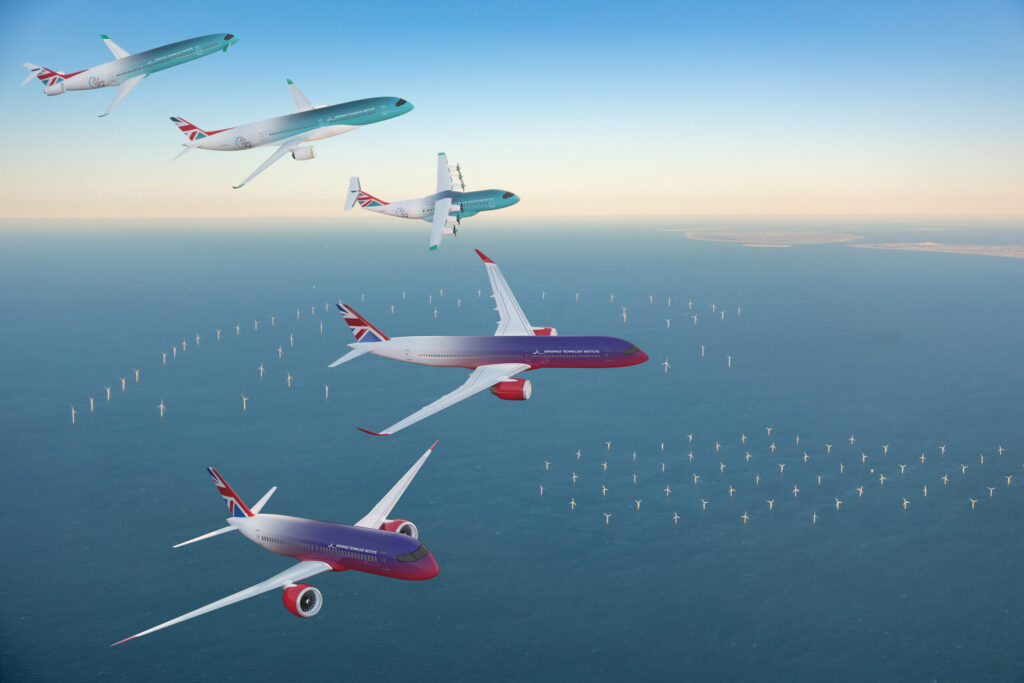
Original Equipment Manufacturers (OEMs) are preparing new single-aisle and re-engined widebody programmes that the ATI forecasts will enter into service from the mid-2030s onwards. To be in contention for those platforms, UK technologies need to reach technology readiness level (TRL) 6 and demonstrate competitiveness by 2030.
ATI analysis forecasts demand for over 65,000 new aircraft deliveries between 2025 and 2050, with nearly 70 percent of these being single-aisle aircraft. The new UK aerospace technology strategy, Engineering Growth, sets out how the UK can capitalise on this generational growth opportunity and support the sector’s sustainability commitments.
The strategy comprises four technology roadmaps: ultra-efficient, zero-carbon, industrial competitiveness and non-CO2. Together, they set out where the UK can build capability, accelerate collaboration and maximise growth while delivering the greatest impact on emissions. They also show which technologies need to reach higher readiness levels by the end of this decade to support aircraft programme decisions.
As well as providing a blueprint for sustainable growth, the strategy provides the direction for investment in aerospace technology development including through the ATI Programme. By 2035, the ATI Programme will have invested £8 billion of joint government-industry funding in UK aerospace boosting efficiency, competitiveness and technology readiness.
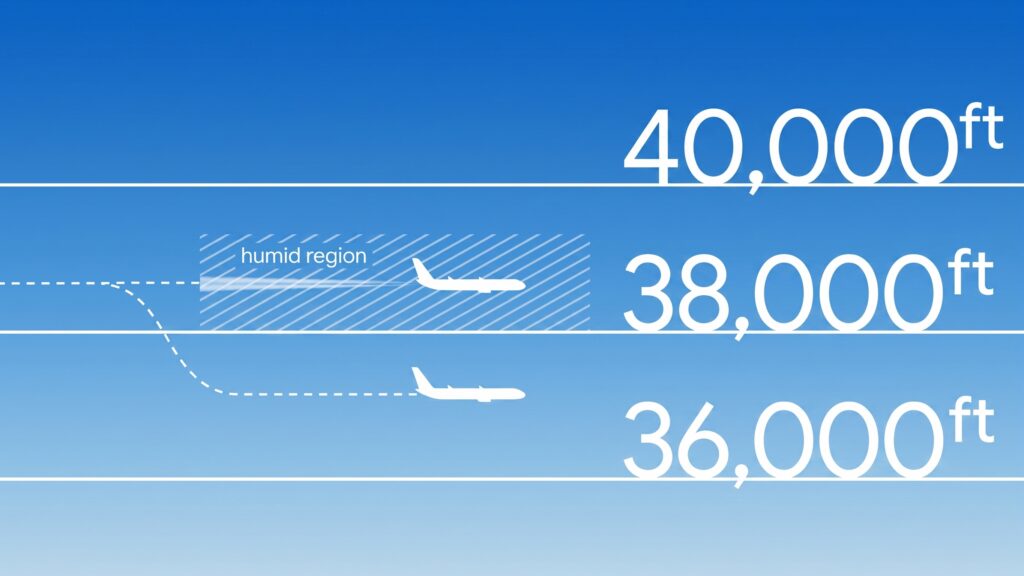
Aircraft technologies have a key part to play in delivering sustainable flight. ATI analysis shows new aircraft technology has the potential to avoid 3Gt aerospace carbon emissions by 2050 and 16Gt by 2070. Ultra‑efficient technologies deliver much of the benefits to 2050 while zero‑carbon emission technologies play an increasing role beyond 2050. Research supported by the ATI’s Non-CO2 Programme will help to address aviation’s broader climate impact.
The publication of Engineering Growth marks the start of the next crucial phase of collaboration between industry, academia, government and the ATI. By developing the technologies and capabilities with the greatest economic and sustainability returns, we can secure UK workshare on next generation aircraft, support high-value jobs across the country and achieve sustainable flight.
To learn more, explore the UK aerospace technology strategy on our webpage.